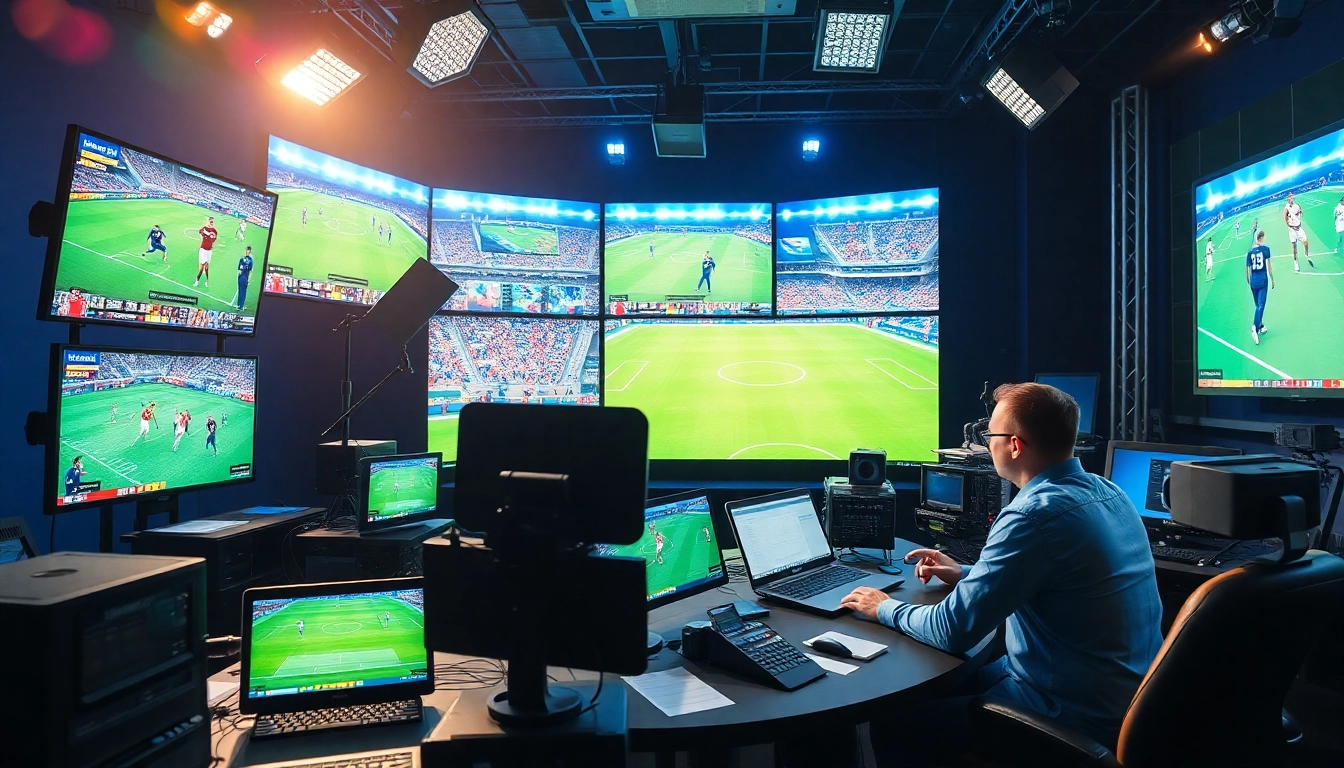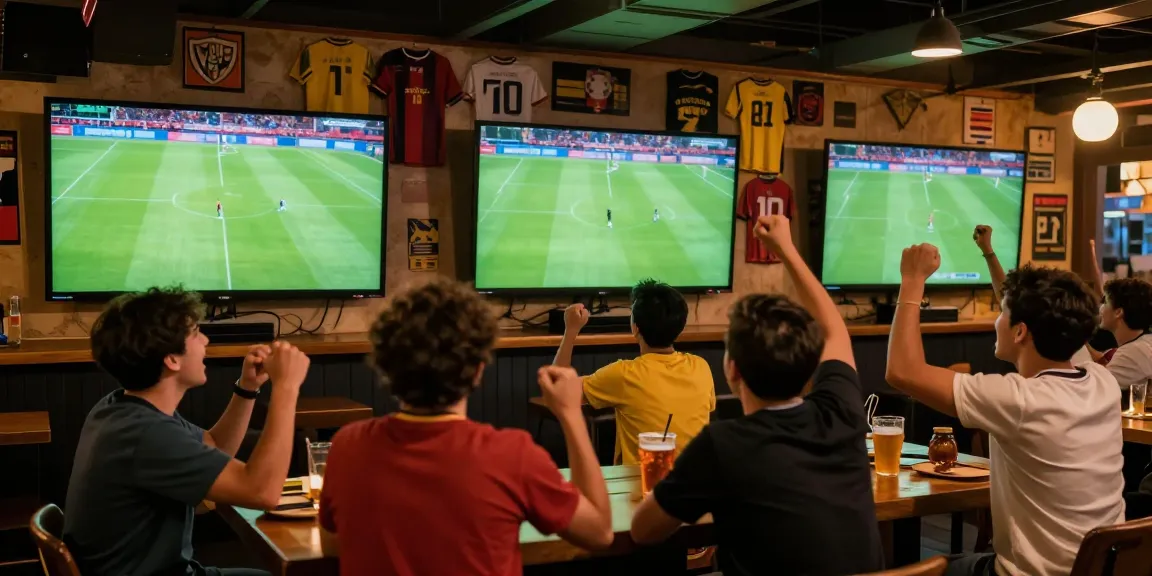
Dynamic sports broadcasting scene showcasing technology and vibrant atmosphere.

Elevating Engagement: Strategies for Successful Sports Broadcasting

Understanding Sports Broadcasting

What Is Sports Broadcasting?

Sports Broadcasting refers to the live transmission of sporting events via television, radio, and increasingly through digital platforms. The field encompasses every aspect of presenting sports, including play-by-play commentary, analysis, highlights, and post-game shows. With advancements in technology and shifting audience preferences, Sports Broadcasting has evolved into a multifaceted industry that not only delivers content but also engages viewers across various media channels.

Evolution of Sports Broadcasting

The roots of sports broadcasting trace back to the early 20th century when radio first made live sports coverage possible. The advent of television revolutionized how fans experienced sports. Iconic moments, from classic World Series games to Olympic events, became shared experiences through the television screen. In recent years, streaming platforms have transformed this landscape once again, allowing fans to access games anytime, anywhere—providing on-demand viewing that adapts to today’s mobile-centric lifestyle.

Importance in Today’s Media Landscape

In a saturated media environment, Sports Broadcasting holds immense significance. It fosters community among fans, provides a platform for athletes, and generates substantial revenue through various channels like sponsorships, advertisements, and subscriptions. Furthermore, the emotional connection between viewers and their favorite sports teams is strengthened by the narratives showcased in broadcasts, creating a rich tapestry of loyalty and excitement.

Technology Trends in Sports Broadcasting

High-Definition Streaming Technologies

High-definition (HD) streaming has set a new standard in sports broadcasting, elevating the viewer experience through stunning visuals and crystal clear audio. Alongside traditional broadcasting, technologies such as 4K and even 8K have emerged, enhancing details that bring fans closer to the action. Key developments in adaptive bitrate streaming ensure that viewers receive the best possible experience, even under varying internet conditions.

Virtual and Augmented Reality Integration

Virtual reality (VR) and augmented reality (AR) are pushing the boundaries of Sports Broadcasting, making the viewer experience more immersive. These technologies allow fans to virtually step into their favorite stadiums, interact with 3D graphics for player stats, or even participate in augmented replays. Such innovations provide an engaging twist to traditional forms of sports viewing, captivating younger audiences who crave interactivity.

Data Analytics in Sports Coverage

Data analytics plays an integral role in modern sports broadcasting. The use of sophisticated algorithms and machine learning models enhances everything from real-time commentary to predictive statistics that reveal insights about player performance. Networks are increasingly leveraging data to offer personalized highlights and analysis, enriching the viewer experience and keeping audiences engaged both during and after games.

Creating Engaging Content for Sports Broadcasting

Storytelling Techniques in Sports

Storytelling is at the heart of successful sports broadcasting. Engaging narratives, whether about underdog teams, athlete journeys, or crucial game moments, captivate viewers emotionally. Broadcasters weave these stories skillfully into their commentary, transforming ordinary games into extraordinary events. Employing narrative arcs helps sustain viewer interest and enriches the viewing experience, making it more than just a game.

Utilizing Social Media for Live Engagement

Social media platforms have become indispensable tools for live engagement during sports broadcasts. Broadcasters can interact with audiences in real-time through live tweets, Instagram stories, and Facebook live discussions. Encouraging fan participation like polls, Q&A sessions, and sharing memorable moments promotes an interactive culture that enhances live sports experiences.

Highlighting Athlete Personalities and Journeys

In the landscape of sports broadcasting, highlighting the personalities and stories of athletes adds depth to the experience. Profiles that showcase their backgrounds, challenges, and triumphs resonate with audiences, humanizing the players and fostering a greater emotional connection. Documentaries, interviews, and personal anecdotes during broadcasts not only engage fans but also establish a deeper narrative that sustains their interest.

Challenges in Sports Broadcasting

Adapting to New Regulations

The sports broadcasting industry faces challenges stemming from ever-evolving regulations. From broadcasting rights to data protection laws, adhering to these guidelines is crucial for compliance and maintaining viewer trust. Many broadcasters must continuously revisit their strategies to align with local and international regulations while still delivering engaging content that meets audience needs.

Competing for Audience Attention

As the number of entertainment options increases, sports broadcasters grapple with the challenge of capturing audience attention. Offering quality content that combines updates, analysis, and interactive opportunities becomes essential. Broadcasters are investing in unique presentation styles and fan experiences, such as gamification and interactive polls, to stand out in a crowded space. The key lies in offering more than just the game; legendary commentary and insightful analyses are critical.

Maintaining Broadcast Quality and Standards

Ensuring broadcast quality is fundamental to sports broadcasting. Poor streaming quality or disruptive technical issues can alienate viewers, affecting both engagement and brand reputation. Continuous investment in technology and infrastructure, along with rigorous testing before broadcasts, is essential. Broadcasters need to adapt to technological advancements to meet high-quality standards demanded by modern audiences.

Future of Sports Broadcasting

Emerging Trends to Watch

The future of sports broadcasting is set to be dominated by new trends, including the integration of personalized content, AI-driven analytics, and immersive viewing experiences. As technologies like 5G roll out globally, the possibilities for high-speed streaming and real-time analytics will expand, allowing for even more engaging broadcasts that cater to niche audiences.

Predictions for Audience Experiences

As technology evolves, predictions suggest that audiences will demand more tailored experiences, such as customizable camera angles and interactive content choices. The rise of eSports as a prominent entertainment form reflects this trend, as viewers increasingly seek unique perspectives and interactive formats rather than passive consumption.

Expanding Global Reach of Sports Content

The global reach of sports content is also expected to expand, providing opportunities for broadcasters to tap into new markets. Innovations in language translation and localized content delivery allow for diverse audiences that were previously unreachable. Collaborations with international leagues and sports organizations will create a rich tapestry of content that captivates fans across the globe.

Frequently Asked Questions about Sports Broadcasting

What are the main types of sports broadcasting?

Sports broadcasting includes television, radio, and online platforms, with live broadcasts, highlights, and on-demand content types. Each medium offers unique advantages in terms of audience reach and engagement.

How has technology changed sports broadcasting?

Technology has transformed sports broadcasting through HD streaming, VR integration, and advanced data analytics, enriching viewer experiences and making sports more accessible than ever before.

Why is storytelling important in sports broadcasting?

Storytelling creates emotional connections between fans and athletes, enhancing the viewer experience by transforming games into compelling narratives that engage audiences beyond just the score.

What challenges do sports broadcasters face?

Broadcasters face challenges such as adapting to regulatory changes, competing for viewer attention, maintaining broadcast quality, and evolving with technology and viewer preferences.

What trends should we expect in the future of sports broadcasting?

Future trends include personalized content, AI-driven analytics, immersive viewer experiences, and expanded global reach, catering to diverse audiences and enhancing engagement.